






The Federal Government has approved N40.76 billion for the third quarter of 2026 under the Basic Health Care Provision Fund (BHCPF), while increasing the number of supported primary healthcare facilities nationwide from 8,309 to 13,521. The Coordinating Minister of Health and Social Welfare, Prof. Muhammad Ali Pate, disclosed this on Wednesday in Abuja after […]
The Federal Government has approved N40.76 billion for the third quarter of 2026 under the Basic Health Care Provision Fund (BHCPF), while increasing the number of supported primary healthcare facilities nationwide from 8,309 to 13,521.
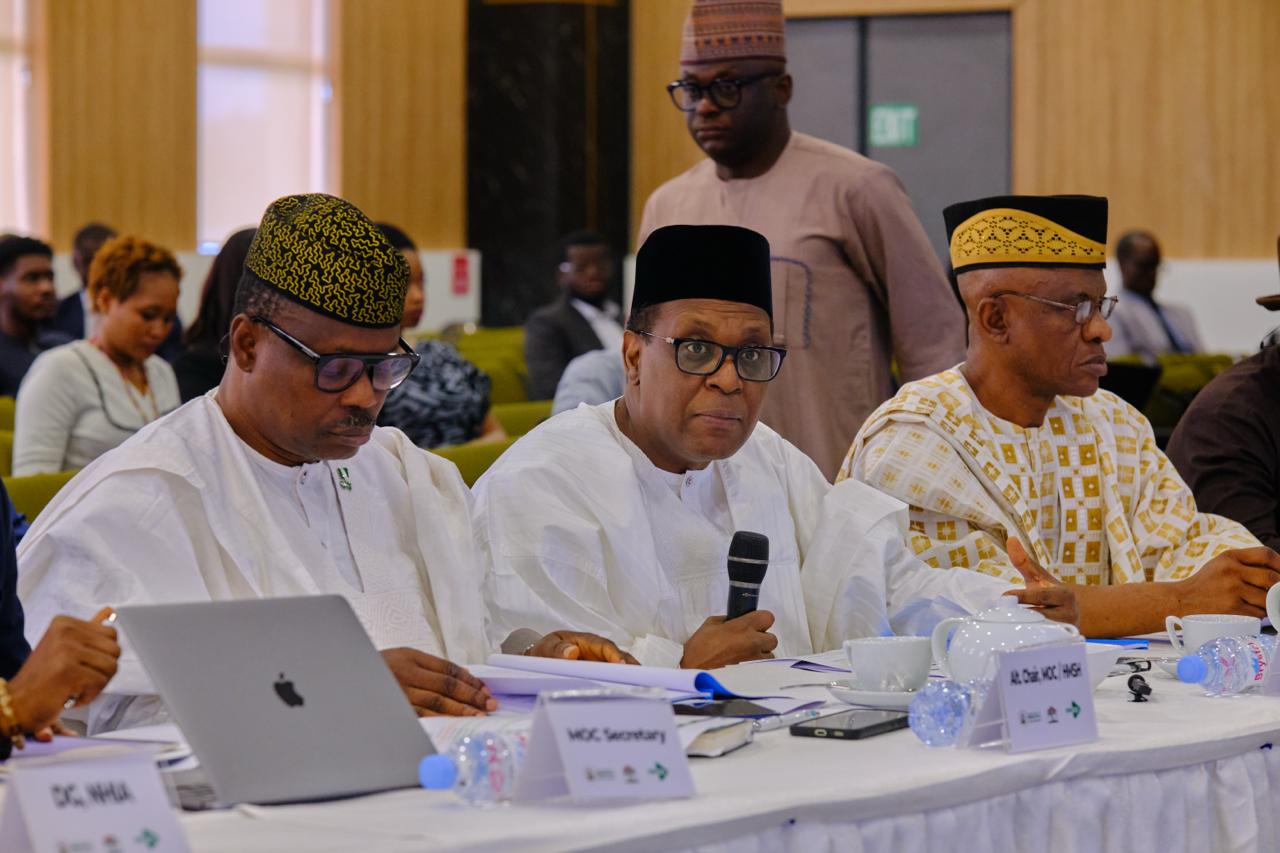
The Coordinating Minister of Health and Social Welfare, Prof. Muhammad Ali Pate, disclosed this on Wednesday in Abuja after a meeting of the Ministerial Oversight Committee (MOC) on the BHCPF.
Pate, who chairs the committee, said the expansion would cover an additional 5,212 facilities across the 36 states and the Federal Capital Territory, with selection based on equity considerations, including disease burden, population size and distance to healthcare services.
He attributed the increased funding to improved government revenue associated with the macroeconomic and fiscal reforms of President Bola Tinubu’s administration.
The minister stressed the need for state and local governments to increase their contributions to healthcare financing, noting that federal funding alone could not guarantee sustainable delivery of essential social services.
On workforce development, Pate said savings from the BHCPF would support the recruitment of frontline healthcare workers through a three-year transition arrangement designed to enable states to absorb them into their permanent payrolls.
Under the arrangement, the Federal Government would cover 100 per cent of the workers’ salaries in the first year, 67 per cent in the second year and 33 per cent in the third year, after which the states would assume full responsibility.
He said the initiative was aimed at addressing personnel shortages in primary healthcare facilities and ensuring the long-term sustainability of the health system.
Pate also expressed concern over outbreaks of Lassa fever, cholera and diphtheria, urging state governments to allocate adequate resources for outbreak response. He called on parents to ensure their children received routine vaccinations against diphtheria.
The minister further urged civil society organisations, community leaders, the media and the joint monitoring task force involving the Independent Corrupt Practices and Other Related Offences Commission (ICPC) to monitor healthcare spending and ensure funds reached their intended beneficiaries.
He added that the Federal Government was also rebuilding tertiary healthcare infrastructure, including diagnostic centres and cancer treatment facilities.
Meanwhile, the Minister of State for Health and Social Welfare, Dr. Iziaq Adekunle Salako, said the government was focusing on improving the efficiency of healthcare spending alongside increasing available resources.
Salako disclosed that the committee had discussed pooled procurement of medicines and essential health commodities to improve affordability, quality assurance and availability at primary healthcare facilities.
He said the proposed procurement reforms were designed to address price disparities among healthcare providers and establish a coordinated system for purchasing medical supplies.
The committee also approved the inclusion of inmates in Nigeria’s correctional facilities under the Vulnerable Group Fund of the National Health Insurance Authority (NHIA).
According to presentations at the meeting, approximately 90,000 inmates nationwide are expected to benefit from the arrangement through improved access to basic healthcare services.
Other proposals considered by the committee included adopting an equity-adjusted formula for distributing BHCPF resources instead of the existing ward-based approach.
The committee also discussed expanding digital financial management systems to more states and primary healthcare facilities to strengthen expenditure tracking, financial reporting and accountability.
In addition, members considered the use of MediPool, a government-established group purchasing organisation, to improve the affordability and quality of medicines and other essential health commodities.
Pate said the committee would continue to review the procurement arrangement quarterly, focusing on pricing benchmarks, value for money and the availability of medical supplies.
He added that adjustments would be made where necessary to ensure the reforms achieve their intended objectives and improve healthcare delivery for Nigerians.